Leon Butler · 21 September 2026
Board Games Find Fresh Applications in Multilingual Language Programs at Schools Worldwide
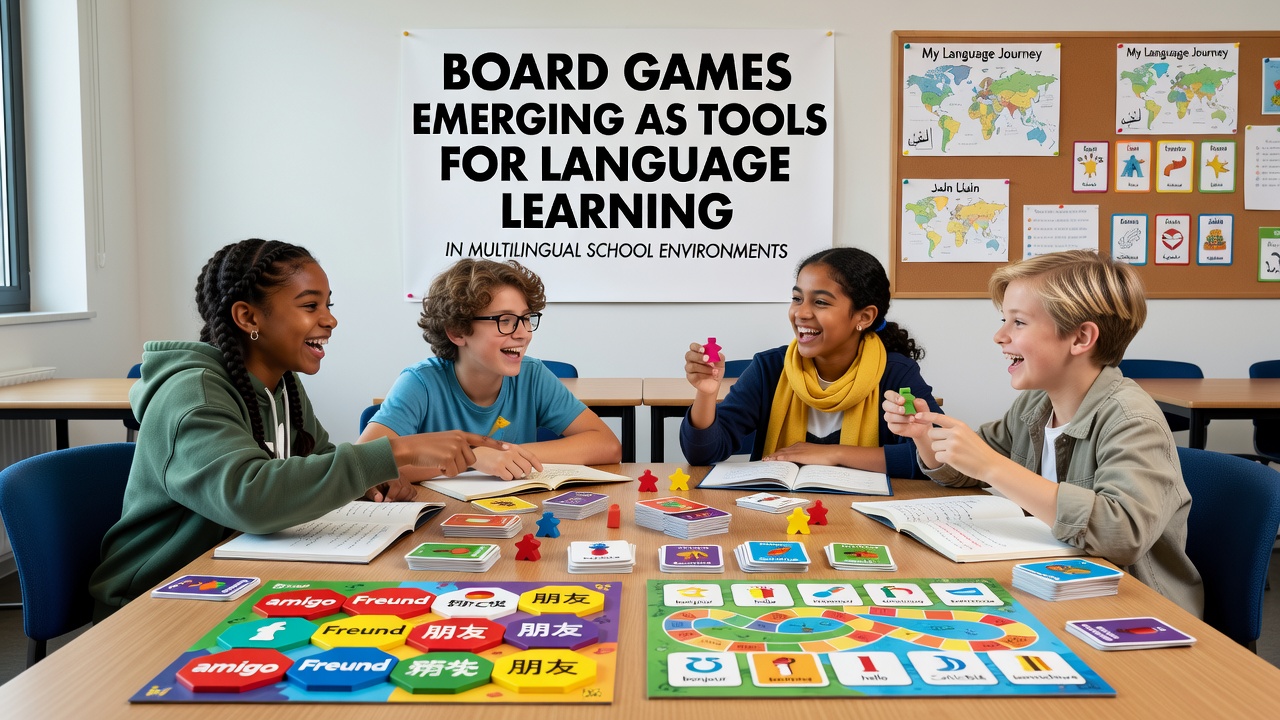
Educators in multilingual school settings have started incorporating board games into language curricula because these tools create structured opportunities for students to practice speaking, listening, reading, and writing while interacting with peers. Data from several international education reports show that game-based activities increase student participation rates in language classes by encouraging repeated use of target vocabulary in context rather than isolated drills. Board game mechanics often require players to explain rules, negotiate turns, and describe strategies aloud, which builds oral fluency across different language backgrounds. In schools where multiple languages are spoken daily, such games help bridge gaps by providing visual and physical cues that support comprehension even when verbal skills vary widely among learners. Researchers tracking classroom outcomes note that students in these programs demonstrate measurable gains in sentence complexity after several months of regular play sessions.Mechanics That Align With Language Acquisition Goals
Many board games emphasize turn-taking and clear communication, elements that align directly with language learning objectives in multilingual environments. Games like those involving resource management or storytelling push participants to form questions, give instructions, and respond to others in real time. Studies from European school networks indicate that these interactions lead to higher retention of new terms compared with traditional textbook exercises alone.
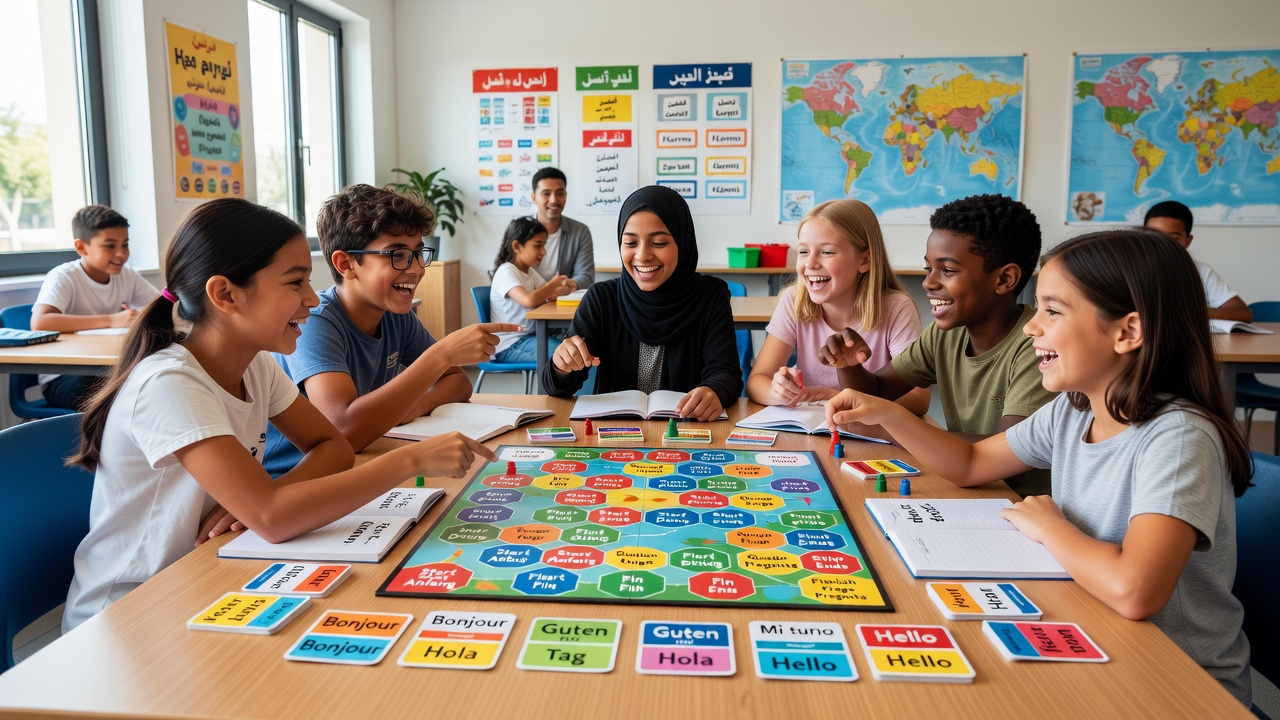
Visual components on the boards and cards further assist learners who are still developing reading proficiency in a second or third language. Teachers report that students often combine gestures with words during play, which reinforces meaning without halting the flow of conversation. This combination proves especially useful in classrooms containing children from five or more language backgrounds who must communicate through a shared instructional language.
Implementation Patterns Across Regions
School districts in Canada and Australia began piloting board game language programs around 2023, drawing on earlier work conducted in European Union member states. By September 2026, additional districts in the United States plan to release evaluation data from similar initiatives launched the previous academic year. These programs typically integrate games into existing language blocks rather than creating separate electives, allowing teachers to assess progress through observation checklists focused on specific linguistic targets.
One district in Ontario documented how weekly game sessions helped newcomer students increase their use of descriptive language by an average of 22 percent over one semester, according to internal assessment records shared with provincial education authorities. Similar patterns appear in reports from New South Wales, where educators adapted games to include bilingual card sets that support home-language maintenance alongside English development.
Evidence From Classroom Research
Academic studies published in language education journals continue to examine how board games affect vocabulary growth and conversational confidence. A 2025 analysis of data from twelve schools across three countries found that classes using game-based methods showed stronger performance on oral narrative tasks than control groups relying solely on worksheets. The study authors attributed part of the difference to the repeated, low-stakes practice opportunities that games naturally provide.
Observers note that game formats also reduce anxiety for students who feel self-conscious about pronunciation errors because the focus remains on completing game objectives rather than producing perfect language. This shift in emphasis allows learners to experiment with new structures while receiving immediate feedback from both the game rules and their peers. Longitudinal tracking in several programs suggests these benefits accumulate over multiple school terms when games are used consistently.
Adaptations for Diverse Language Profiles
Teachers working in highly multilingual classrooms often modify existing board games by adding custom vocabulary lists or simplified rule summaries printed in several languages. These adaptations maintain the core engagement of the original design while addressing specific linguistic needs identified through initial student assessments. Professional development workshops offered by regional education centers now include modules on creating such supports efficiently.
Some programs pair board game sessions with digital follow-up activities that let students review key phrases at home, extending practice beyond school hours. Data collected from these combined approaches show improved consistency in language use across both settings. Schools in urban areas with rapid demographic changes have found these flexible methods particularly practical for serving shifting student populations without requiring entirely new curricula each year.
Conclusion
Board games continue to appear in language learning plans at multilingual schools because they supply repeated, meaningful practice that complements other instructional methods. Ongoing data collection through 2026 and beyond will clarify which game types produce the strongest results for different age groups and language combinations. Education departments in multiple countries are already compiling shared resources that allow teachers to select and adapt games based on documented outcomes rather than trial and error alone.