Avery Braun · 19 October 2026
High School Debate Programs Incorporate Board Game Prototyping to Develop Negotiation Competencies
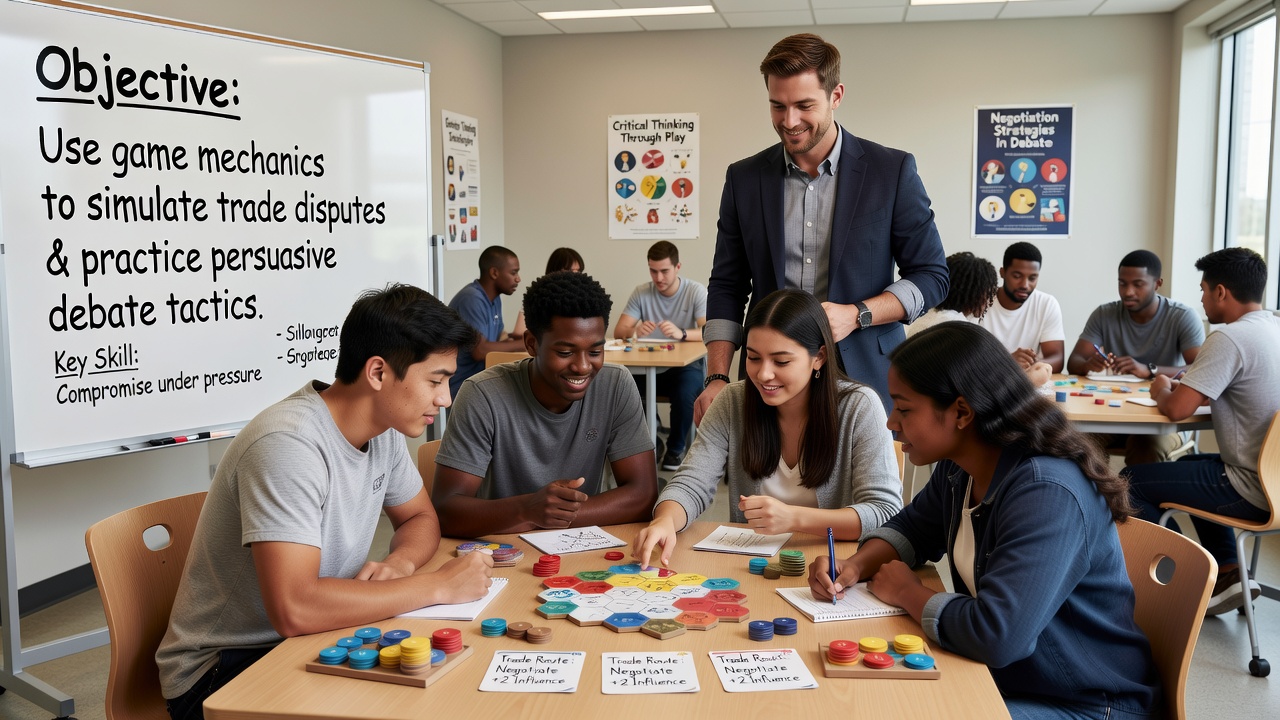
Secondary educators have begun integrating board game prototyping sessions into debate curricula as a structured method for strengthening negotiation abilities, with programs expanding across multiple districts since early 2025. Students design rules, balance mechanics, and resolve conflicts over game elements, all while practicing the same persuasive and compromise techniques required in formal debate formats. These sessions typically occur over several class periods, allowing groups to iterate on initial concepts and test them with peers before final presentations.
Core Methods Used in Prototyping Sessions
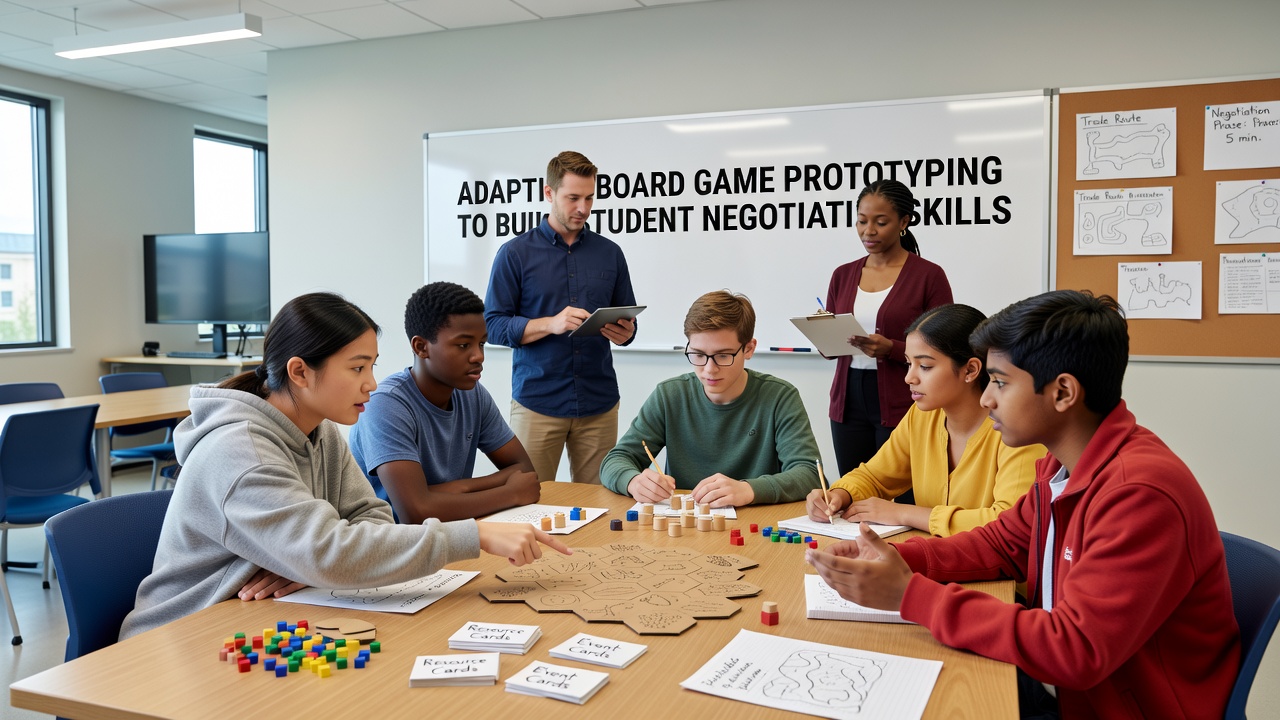
Teachers structure the activities around clear phases that mirror debate preparation, starting with topic selection and moving through rule creation, playtesting, and revision cycles. During rule creation, students must advocate for specific features such as resource allocation or win conditions while listening to opposing viewpoints from teammates, which builds turn-taking and concession skills. Playtesting phases require participants to document disputes that arise during gameplay and propose amendments, creating a record of negotiated changes that instructors later review for evidence of skill development.
Data collected from participating schools shows measurable shifts in how students handle disagreement, with pre- and post-session assessments indicating improved scores on standardized negotiation rubrics used by debate coaches. One study released in October 2026 by researchers at a Canadian university tracked 240 students across four provinces and found that those engaged in weekly prototyping sessions demonstrated a 22 percent increase in documented compromise instances during mock debates compared with control groups. Sessions often incorporate constraints, such as limited materials or time limits, to simulate the pressure of tournament conditions and encourage rapid consensus building.
Implementation Examples Across Regions
Schools in the United States and Australia have adapted the approach to fit local debate league requirements, with educators in Victoria reporting that prototyping helped students prepare for policy debate formats by forcing them to weigh trade-offs explicitly. In one program, students created resource-management games tied to historical events, then used the resulting rule sets as springboards for affirmative and negative arguments in class tournaments. European secondary institutions, including several in the Netherlands, have linked similar workshops to civics curricula, where game mechanics address contemporary policy questions and require students to justify design choices in front of panels of peers acting as judges.
Observers note that the physical nature of board components encourages visible negotiation moments, such as moving tokens or rewriting cards during group discussions, which provides concrete examples for later reflection. Teachers document these interactions through video recordings or shared digital logs, allowing students to review how their bargaining language evolved over multiple sessions. As programs scale, some districts coordinate with regional debate associations to align prototyping outcomes with competition scoring criteria.
Observed Outcomes and Supporting Research
Research indicates consistent gains in specific competencies when prototyping runs for at least six weeks, including clearer articulation of positions and increased willingness to revise initial stances based on counterarguments. A 2025 report from the Australian Curriculum, Assessment and Reporting Authority highlighted that debate classes incorporating game design elements recorded higher student engagement metrics during argumentation drills, though the report stops short of claiming causation. Figures from participating programs reveal that students who completed prototyping sequences scored higher on peer-assessed negotiation checklists, particularly in categories measuring active listening and proposal modification.
Programs also track transfer effects, with some schools noting improved performance in interscholastic debates after students practiced these skills in game contexts. Instructors adjust session length and group size based on class size and available resources, often starting with smaller prototypes before expanding to full games that incorporate multiple negotiation layers. External evaluations by organizations such as the European Association for the Education of Adults have examined similar initiatives and identified patterns in how physical prototyping supports verbal argumentation development across different age groups within secondary education.
Conclusion
Secondary educators continue refining these sessions by incorporating feedback from debate coaches and adjusting mechanics to better match evolving tournament rules. Ongoing data collection from multiple regions supports the view that board game prototyping provides a repeatable framework for practicing negotiation within debate instruction, with further studies planned through 2027 to examine long-term skill retention.