Avery Lang · 2 November 2026
Tabletop Simulations Expand Across Career Preparation Programs at Technical Institutes
Technical institutes have incorporated tabletop simulations into career preparation courses at an accelerated pace since 2024, with enrollment in these modules rising across multiple regions. Data from vocational education tracking systems shows that programs in engineering, information technology, and manufacturing fields now integrate board-based exercises to replicate real-world decision points, and this approach aligns with hands-on learning standards set by industry certification bodies.
Growth Patterns in Vocational Settings
Enrollment figures compiled by the National Center for Education Statistics indicate that 47 percent of sampled technical institutes added at least one tabletop simulation component to career readiness tracks by the start of the 2026 academic year. Institutes in the United States, Canada, and several European Union member states report parallel expansions, and these additions often occur alongside existing project-based assessments rather than as replacements. Observers note that the format allows repeated practice cycles without the resource demands of physical equipment or off-site placements.
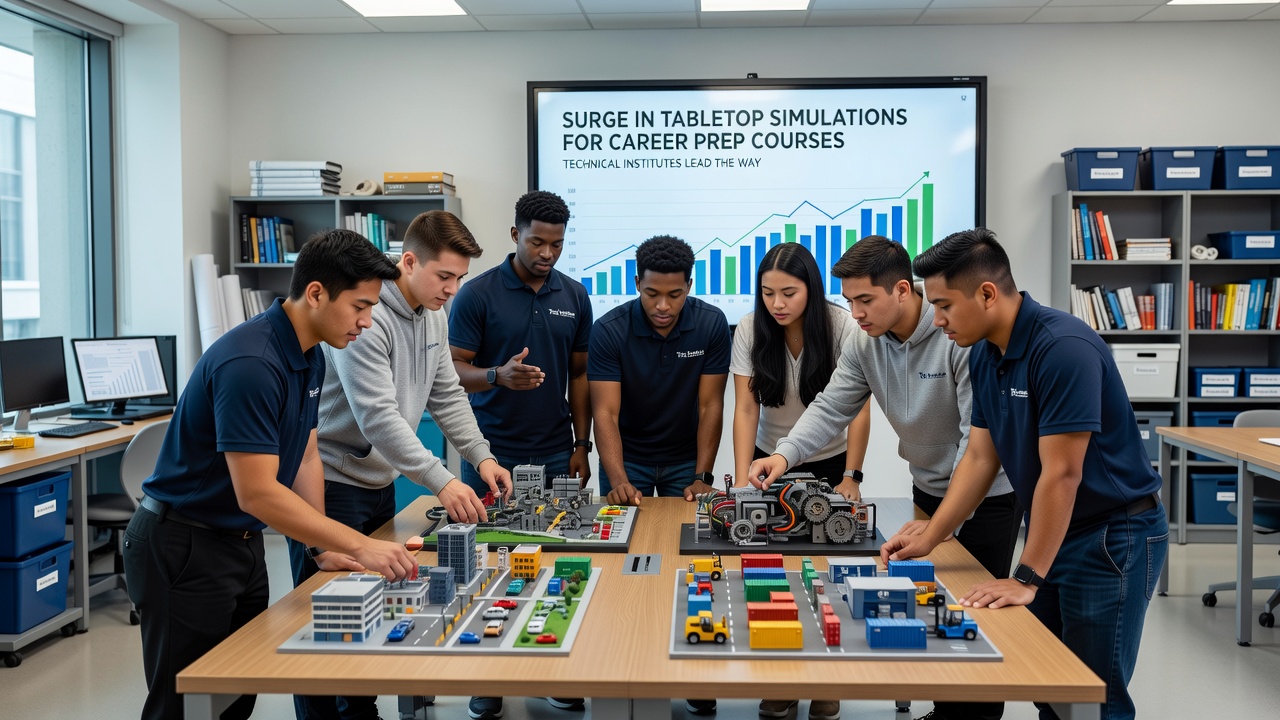
One documented case at a Midwest technical college involved a supply-chain management course where students navigated resource allocation on a modular board representing factory workflows, and completion rates for that course increased by 12 percent compared with prior lecture-only cohorts. Similar patterns appear in records from institutes in Australia and the United Kingdom, where simulation modules now count toward micro-credential hours recognized by trade associations.
Design Features and Implementation Methods
Tabletop simulations used in these settings typically feature modular boards, role cards, and variable scenario decks that instructors adjust to match specific trade competencies. Instructors at participating institutes receive training through professional development sessions offered by organizations such as the Association for Career and Technical Education, and these sessions emphasize alignment between game mechanics and measurable learning outcomes.
Programs often schedule simulation rounds during the final third of a semester so that students apply concepts already introduced through readings and demonstrations. Assessment rubrics focus on observable actions such as resource prioritization, team communication logs, and post-session debrief notes, and these elements feed directly into student portfolios submitted for industry review.
Data Releases and November 2026 Benchmarks
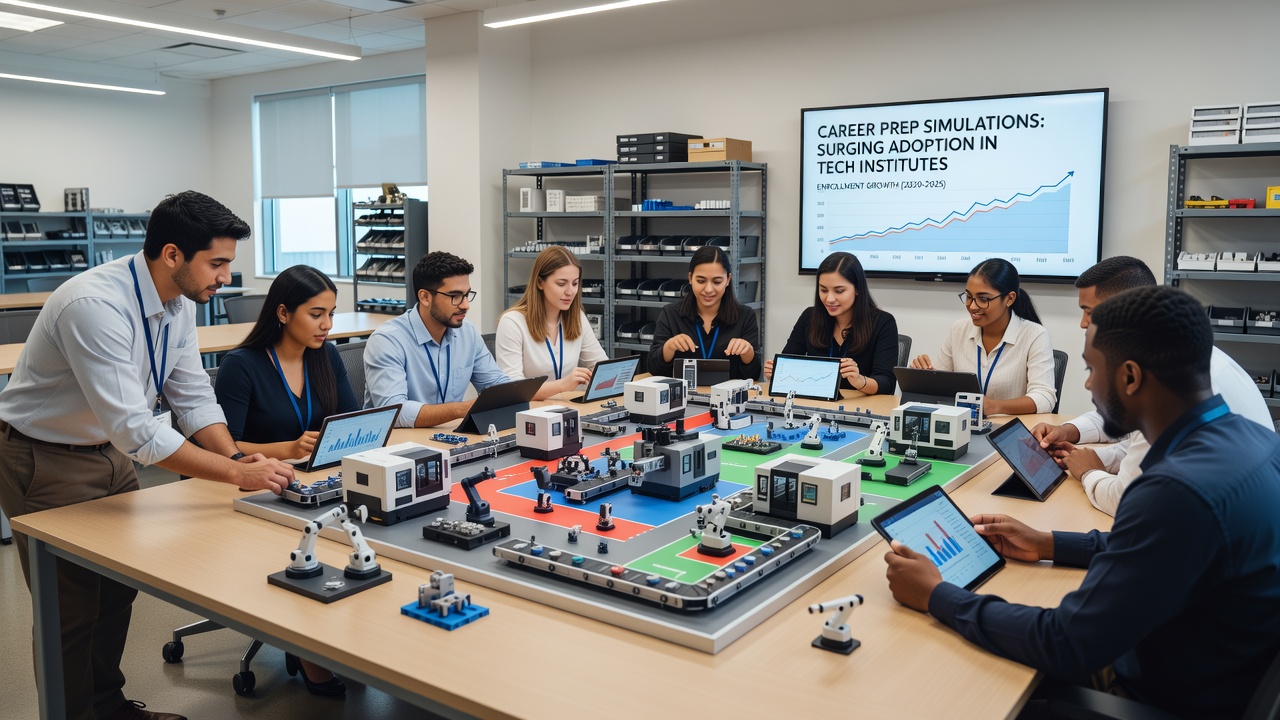
A joint report scheduled for release in November 2026 by the European Centre for the Development of Vocational Training and the Canadian Vocational Association will present comparative metrics on simulation adoption rates across member institutes. Preliminary summaries shared with participating programs show that institutes running at least four simulation sessions per term record higher rates of internship placement within six months of graduation. The forthcoming figures will cover cohorts from 2024 through mid-2026, and analysts expect the data to highlight differences by trade sector.
Additional tracking conducted by individual state education departments in the US indicates that programs incorporating tabletop elements report reduced remediation needs during capstone projects, and this reduction appears consistent across welding, HVAC, and network administration tracks.
Integration with Existing Curriculum Standards
Technical institutes align simulation activities with competency frameworks published by bodies such as the National Coalition of Certification Centers, and these frameworks specify both technical skills and soft-skill indicators. Faculty committees review scenario decks annually to ensure continued relevance to updated industry protocols, and revisions often incorporate feedback collected from internship supervisors who host program graduates.
Some institutes combine tabletop sessions with digital tracking software that logs decision paths during play, and the resulting datasets support longitudinal studies on skill retention. Partnerships with regional employers supply scenario content drawn from actual workplace incidents, and this input helps maintain currency without requiring institutes to develop every component internally.
Conclusion
Records from multiple technical institutes document steady expansion of tabletop simulations within career preparation sequences, supported by enrollment data, placement statistics, and forthcoming comparative reports. The November 2026 data release will provide additional benchmarks for institutes evaluating further adoption, while ongoing curriculum alignment efforts continue to connect simulation mechanics with recognized trade competencies.